Unlocking Mental Health: The Advantages of Online Psychiatric Consultations
The emergence of online psychiatric consultations represents a significant shift in mental health care. Patients today have the chance to connect with licensed professionals from the safety of their homes. This convenience can reduce the stigma often associated with seeking help. Nonetheless, the effectiveness of these consultations relies on various factors. Understanding the nuances of this evolving landscape is crucial for those considering this option. How can individuals navigate these new pathways for support?
Why Select Online Psychiatric Consultations
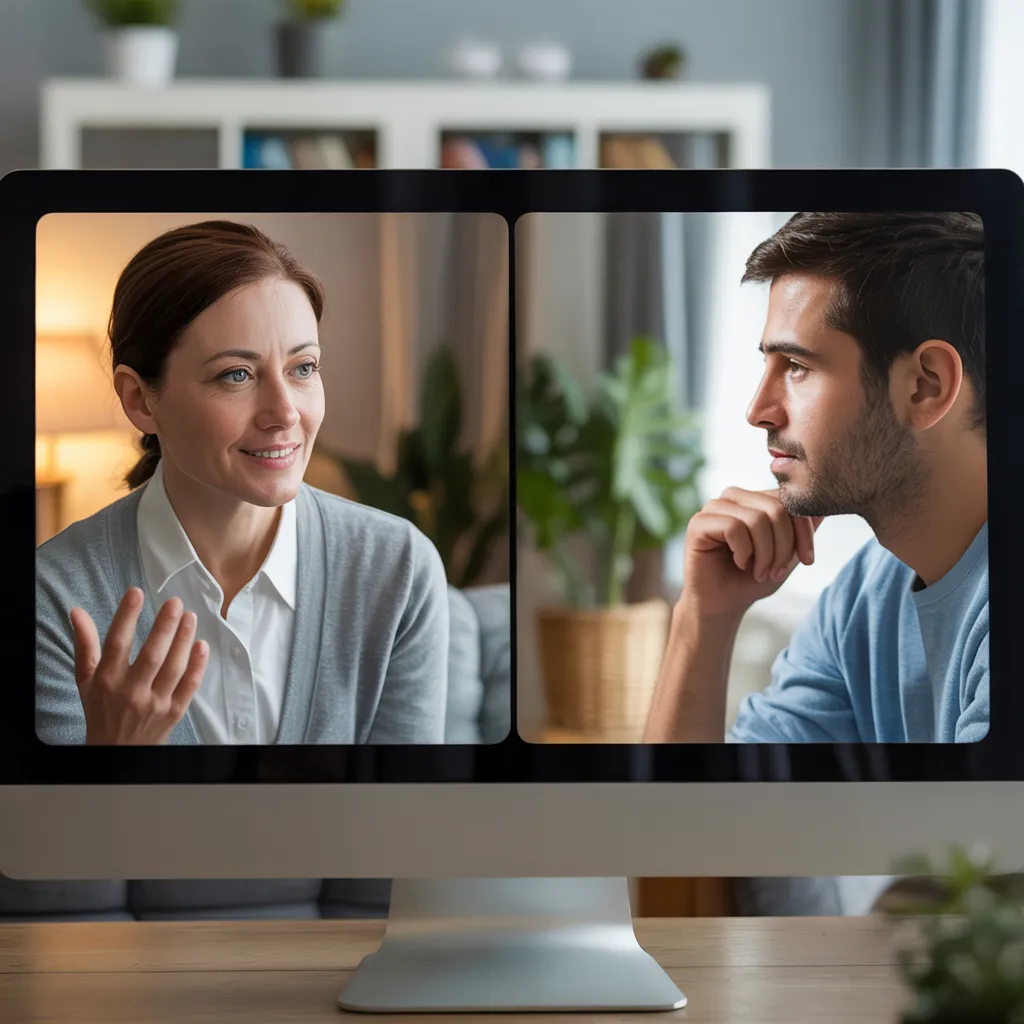
Why opt for online psychiatric consultations appealing? People seeking mental health support increasingly turn to online platforms for several compelling reasons. Primarily, these consultations provide convenience, allowing patients to connect with professionals from the comfort of their homes. This accessibility can eliminate barriers such as travel time and geographical constraints, making mental health care more reachable.
Additionally, online consultations can diminish the stigma often linked to seeking help. Patients could feel more relaxed discussing personal issues in a private setting, promoting openness and honesty. In addition, the flexibility of scheduling appointments around personal commitments guarantees that individuals can give priority to their mental health without interrupting their daily lives.
Online psychiatric consultations can also offer a more extensive range of specialists, offering patients the chance to find a practitioner who most suits their needs. Overall, the shift towards digital mental health care demonstrates a growing recognition of its success and practicality.
How Do Remote Psychiatric Consultations Operate?
Online mental health consultations normally begin with the patient choosing a suitable platform that features telehealth services. After establishing an account, the patient submits a comprehensive questionnaire to provide the psychiatrist with relevant medical history and current concerns. This initial information allows the psychiatrist prepare for the consultation.
When the information are entered, the patient schedules an appointment, usually picking a time that matches their convenience. During the session, which can occur via phone, video, or chat, the psychiatrist conducts a conversation to assess the patient's mental health state, discuss symptoms, and explore treatment possibilities.
Following the session, the psychiatrist might suggest therapy, medication, or other interventions. Ongoing communication occurs through the platform for follow-up appointments, facilitating sustained assistance and changes to treatment as needed. Ultimately, this process ensures that patients receive customized care from the convenience of their homes.
Breaking Through Geographic Challenges to Mental Health Care
Virtual psychiatric consultations provide a important solution for patients in remote locations who face difficulties accessing mental health care. By eliminating the need for extensive travel, these services greatly reduce the time and resources required to seek help. This better accessibility can result in improved mental health outcomes for those who previously found it difficult to find support.
Getting to Far-off Areas
Notwithstanding the developments in digital solutions, many people in remote areas yet face substantial barriers to obtaining mental health care. Geographical isolation regularly limits the accessibility of mental health specialists, obligating residents to travel great distances for physical consultations. This deficiency of community resources can lead to delays in treatment, deteriorating mental health conditions. Virtual psychiatric consultations present a essential solution, permitting people in rural locations to reach qualified specialists without the requirement for long-distance travel. By employing digital platforms, these individuals can obtain timely support, thorough assessments, and tailored treatment plans. This approach not only broadens access to mental health care but also fosters a sense of connection, empowering those in distant areas to focus on their mental wellness efficiently.
Minimizing Journey Time
Geographical obstacles significantly hinder access to mental health care, especially for individuals located in remote areas. Traditional in-person consultations often involve extensive travel, causing time lost and increased stress for those seeking help. Online psychiatric consultations effectively reduce this travel time by enabling patients to connect with professionals from the convenience of their own homes. This virtual access supports timely interventions, guaranteeing that individuals receive the care they need without the burdens of transportation. Moreover, it permits those with mobility limitations or chronic illnesses to utilize mental health services more easily. By eradicating the need for physical travel, online consultations not only boost access but also strengthen overall mental wellness by establishing a more relaxed and convenient environment for therapy.
Getting Assistance Whenever You Need It, Wherever You Are
Online psychiatric consultations offer flexible scheduling options that cater to individuals' unique lifestyles. Through removing travel requirements, individuals can obtain psychiatric care more effectively, conserving time and effort. This convenience significantly enhances the overall experience of seeking help, making it easier for individuals to prioritize their mental well-being.
Customizable Appointment Solutions
In what ways do flexible scheduling options benefit those seeking mental health support? Flexible scheduling enables patients to select appointment times that align with their personal and professional obligations. This adaptability reduces the stress of coordinating mental health care with busy lives, making it easier for individuals to prioritize their well-being. With evening and weekend options available, patients can pursue review this content help without disturbing their regular routines. Furthermore, flexible scheduling serves those in crisis situations, allowing prompt access to support when it is most critical. This ease promotes a feeling of control over one's mental health journey, motivating individuals to participate more actively in their treatment. Finally, flexible scheduling options increase accessibility and foster steady participation in psychiatric consultations.
Reduced Travel Time
As individuals progressively pursue mental health support, the ease of accessing help anytime and anywhere meaningfully strengthens their experience. Online psychiatric consultations eradicate the need for travel, allowing clients to communicate with mental health professionals from the safety of their homes. This reduction in travel time not only conserves valuable hours but also reduces the stress linked to commuting. For those residing in remote areas or with mobility issues, online consultations present a vital lifeline to essential services. Moreover, the ease of accessing appointments through numerous devices makes certain that individuals can focus on their mental wellness without the barriers that traditional in-person visits often present. Ultimately, reduced travel time encourages a more helpful and accessible mental health care environment.
Developing Trust With Your Online Psychiatrist
Building trust with an online psychiatrist is vital for effective treatment and a beneficial therapeutic experience. Establishing this trust commences with transparent communication; patients should feel secure expressing their thoughts and concerns without fear of judgment. A regular and dependable schedule for sessions also promotes a sense of stability, allowing patients to anticipate support when needed.
Additionally, patients can improve trust by sharing accurate information about their mental health past and current challenges. This transparency allows the psychiatrist to tailor treatment properly. Participating actively in the therapeutic process, such as asking questions and giving feedback, further enhances the relationship.
Lastly, individuals should assess their level of comfort with the psychiatrist's therapeutic style and methods. If there are any reservations, discussing these matters early on can result in a more productive and trusting relationship. Ultimately, a open and cooperative approach is vital in building trust in online psychiatric consultations.
Privacy in Online Consultations: Why It Matters
Confidentiality plays an essential role in online psychiatric consultations, as it directly impacts the patient's willingness to share sensitive information. Patients often approach these sessions with vulnerability, requiring a safe environment where they can communicate their thoughts and feelings without fear of judgment or exposure. When confidentiality is maintained, individuals are more likely to share personal issues, leading to more effective treatment.
Moreover, the digital nature of online consultations presents concerns about data security. Patients must trust that their information is secured from unauthorized access, breaches, or misuse. This aspect of privacy not only builds trust in the therapeutic relationship but also meets legal standards regarding patient confidentiality, such as HIPAA in the United States.
Finally, focusing on privacy in online psychiatric consultations enhances the therapeutic process, allowing patients to engage more thoroughly and honestly, which can significantly improve mental health outcomes.
Suggestions for a Fruitful Online Psychiatric Consultation
To help ensure a successful online psychiatric session, individuals should prepare properly before their appointment. This requires creating a comfortable, quiet space without distractions, which facilitates an open and honest conversation. Additionally, it is advisable for individuals to have a stable internet connection and to test their audio and video settings prior to the session begins.
Furthermore, individuals should appear equipped with notes detailing their reflections, feelings, and any certain concerns they wish to address. This can help streamline the discussion and ensure that essential topics are not missed. It is also helpful to establish realistic goals for the session, concentrating on what can be accomplished within the allotted time.
In conclusion, staying forthright and sincere during the session is critical. Expressing personal experiences and feelings frankly can enable a more effective therapeutic process, eventually enhancing the overall experience and outcomes of online psychiatric consultations.
FAQ
Can Insurance Cover Online Psychiatric Consultations?
Online psychiatric consultations may be covered by insurance, but coverage varies significantly between providers and plans. Individuals should verify their specific insurance policy details to determine eligibility and any associated costs for these services.
Is Switching Psychiatrists Possible During Online Consultations?
Individuals have the option to change psychiatrists during online consultations. This adaptability enables patients to locate a professional who more effectively addresses their requirements, cultivating a more supportive and effective therapeutic connection crucial for mental wellness.
What Technology Do I Need for Online Consultations?
For online consultations, one requires a reliable internet connection, a device such as a computer or smartphone, and a webcam or camera for video. Speakers or headphones improve audio quality, guaranteeing effective communication during sessions.
Is Online Consultation Appropriate for Emergency Cases?
Online consultations are generally not suitable for emergency situations. In crisis situations, direct personal intervention is vital. Remote services may impede urgent intervention delivery, causing them to be inadequate for emergency mental health concerns needing instant attention and aid.
What Should I Do to Prepare for My First Online Session?
To get ready for the first online session, one should identify a quiet space, verify reliable internet connection, collect any relevant medical history, and develop key topics or questions to discuss with the psychiatrist.